وَاللَّهُ خَيْرُ الرَّازِقِينَ
وَاللَّهُ خَيْرُ الرَّازِقِينَ
Cooler weather brings relief — and an unwelcome wave of cockroaches, mosquitoes, rats and termites. Here’s why it happens and how to stay ahead of it.
Usually some relief comes with the first heavy downpour of monsoon season. The weather turns cooler. For a while, everyone is happy for the change. But there is another side to the changing weather conditions that is often overlooked until it becomes bothersome. Insects and pests start showing up in places you haven’t seen them before.
When it is dark outside, a cockroach manages to crawl into the kitchen. Houseflies, mosquitoes, and ants come with the rains. You think you have made it through the heavy rain, rats are seen running across the streets looking for a dry home.
It’s not that overnight rain somehow causes insect pests to appear. Rather, the reason for the pest’s appearance is what it does to the environment. Humidity goes up, water collects, hiding places outside are inundated, and with warm and humid conditions it provides the necessary conditions for survival of various pests.
That’s why pest problems during monsoon season in Pakistan can become noticeably worse — and why understanding what happens during these few months can help you stop a small pest issue before it turns into a full-blown infestation.
Consider a typical house during the rainy season.
None of these things seems particularly serious on its own. Together, however, they create the kind of environment that many pests seek.
For example, cockroaches need access to moisture and food. They both find shelter and the conditions to remain active in a damp corner behind an appliance. That’s why killing the roach you see doesn’t always solve the underlying problem.
The same principle applies to many other household pests: remove the conditions that attract them, and you reduce the opportunity for an infestation to develop.
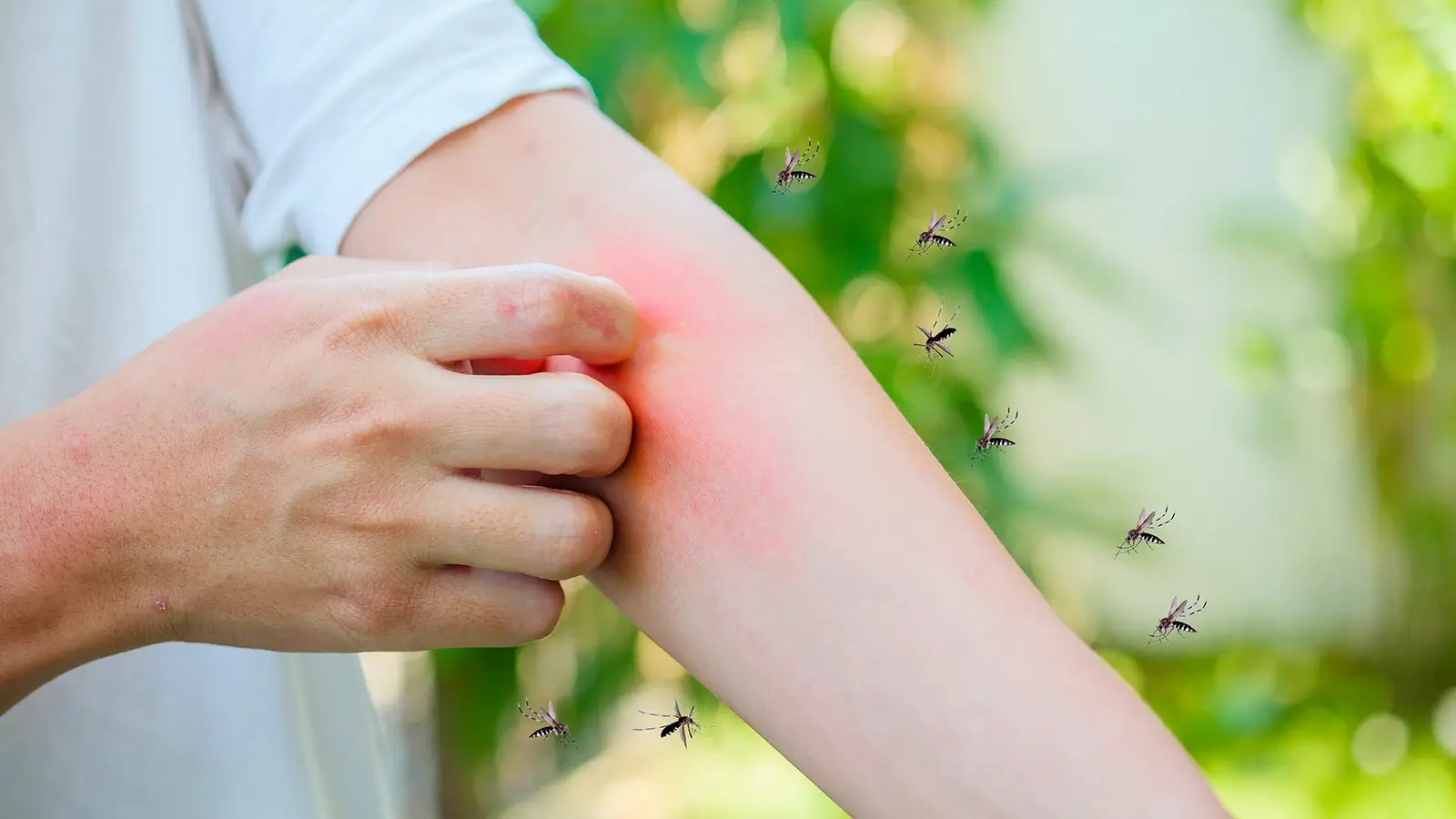
Mosquitoes are probably the pest most people associate with monsoon weather, and there’s a straightforward reason. Rain leaves water behind.
A flowerpot, an uncovered container, a corner on a rooftop, a discarded tyre, or a blocked drain can all become breeding sites. These small areas of standing water can be missed for many days — you don’t need a pond in your garden to have a mosquito problem.
Make checking around the property after rainfall a habit. Empty containers, clear blocked areas and don’t allow water to sit unnecessarily.
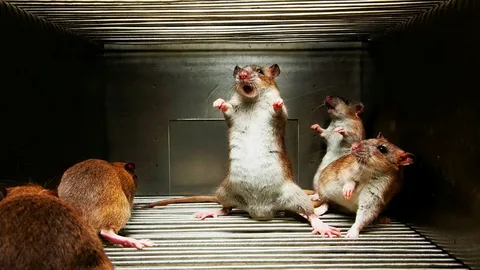
They don’t just go away. Rats and mice live in sewers, drains, open ground and outdoor locations — places that get disrupted by heavy rain, especially when water backs up or drainage systems become overwhelmed.
A dry building suddenly becomes far more appealing. A gap under a door, an opening around a pipe or a hole in the wall is all a rodent needs — and inside there is food, warmth and plenty of hiding places.
This is why rodent problems can be more noticeable after heavy rain.
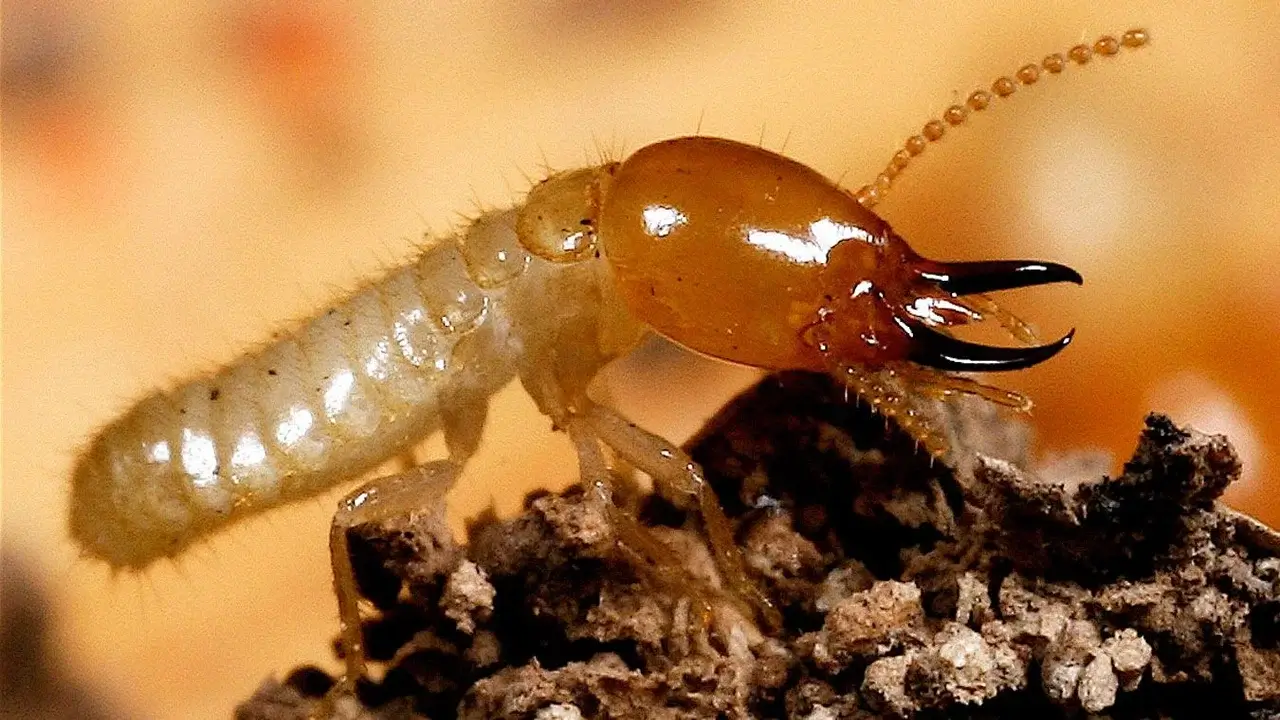
Termites deserve a bit more attention, because their connection with rainfall is not as direct as “rain causes termites.” Where there is already an existing problem — damp soil, leaking pipes, poor drainage or moisture-damaged wood — moisture can create favorable conditions for them.
The winged termites people see around lights and windows after rain are called alates. They may indicate a mature colony nearby, but don’t necessarily mean one is living in your house.
If you’re concerned about preventing future termite activity, termite proofing can provide an additional layer of protection.
There’s another simple explanation for increased indoor activity during monsoon: pests need somewhere to escape unfavorable outdoor conditions.
During intense rain, water fills cracks in the ground and low-lying areas, disrupting the places where insects and rodents would typically hide. A dry house suddenly looks like a much better option.
Pests can find an easy path in through small gaps around windows, doors, drains, ventilation points and pipes — and the food and water inside keep them there.
Pest prevention isn’t just about spraying insects. The building itself is important.
No need for a complicated routine. Begin with the spots that are most likely to be overlooked.
These are simple things, but they become much more useful when done before pest activity gets out of control.
At times, the issue has evolved into more than a few stray insects. If there are repeated sightings, termite droppings, or large numbers of cockroaches or other pests in several rooms, a hiding or breeding area is probably not being targeted.
At that stage, repeatedly using an off-the-shelf spray may only deal with what happens to be visible. Finding the source is more important.
A professional pest inspection can identify your pest, where it’s coming from and how to deal with it.
The rainy season changes the environment around homes. Higher humidity, standing water, damp areas and disturbed outdoor shelter can all encourage increased pest activity.
No. There is a wide range of risk. The condition of the building, cleanliness, moisture, vegetation around the building and entry points are all factors.
Rain leaves stagnant water in containers and other small areas, which can offer a favorable habitat for mosquitoes to breed.
No. Rainfall is not the only factor. Moisture and soil conditions can be conducive, but an inspection is needed to find out whether termites are actually present.
The enemy is not the rain itself — it’s what it leaves behind: stagnant water, damp hiding places and disrupted outdoor shelter. Check for standing water, fix leaks, maintain drainage, repair obvious gaps and watch for sudden shifts in pest activity.
If something doesn’t feel right, don’t wait until it’s impossible to ignore. Early identification is always easier to deal with than an established infestation.
Chat With Us